Planting for the Future: A Pollinator Garden in Decatur

With Global Growers Network

By The Circular Farm
In the spring of 2024, I had the opportunity to partner with Global Growers Network in Decatur, Georgia, on a land conservation project close to my heart: building a pollinator garden that regenerates the soil, supports biodiversity, and strengthens the resilience of local food systems.

🐝 Why a Pollinator Garden?

Pollinators—bees, butterflies, beetles—are vital to healthy ecosystems and abundant harvests. With declining pollinator populations due to habitat loss, pesticide use, and climate disruption, creating dedicated spaces for these species is more important than ever. At the Global Growers site, surrounded by community farm plots tended by refugee and immigrant growers, the pollinator garden serves as a keystone element of regenerative land stewardship.

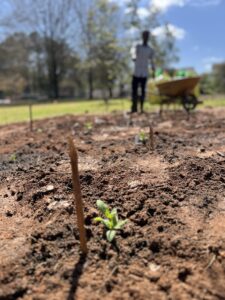
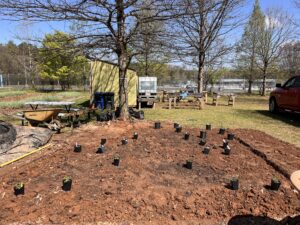
📸 Photo Highlights:

A Garden with Purpose

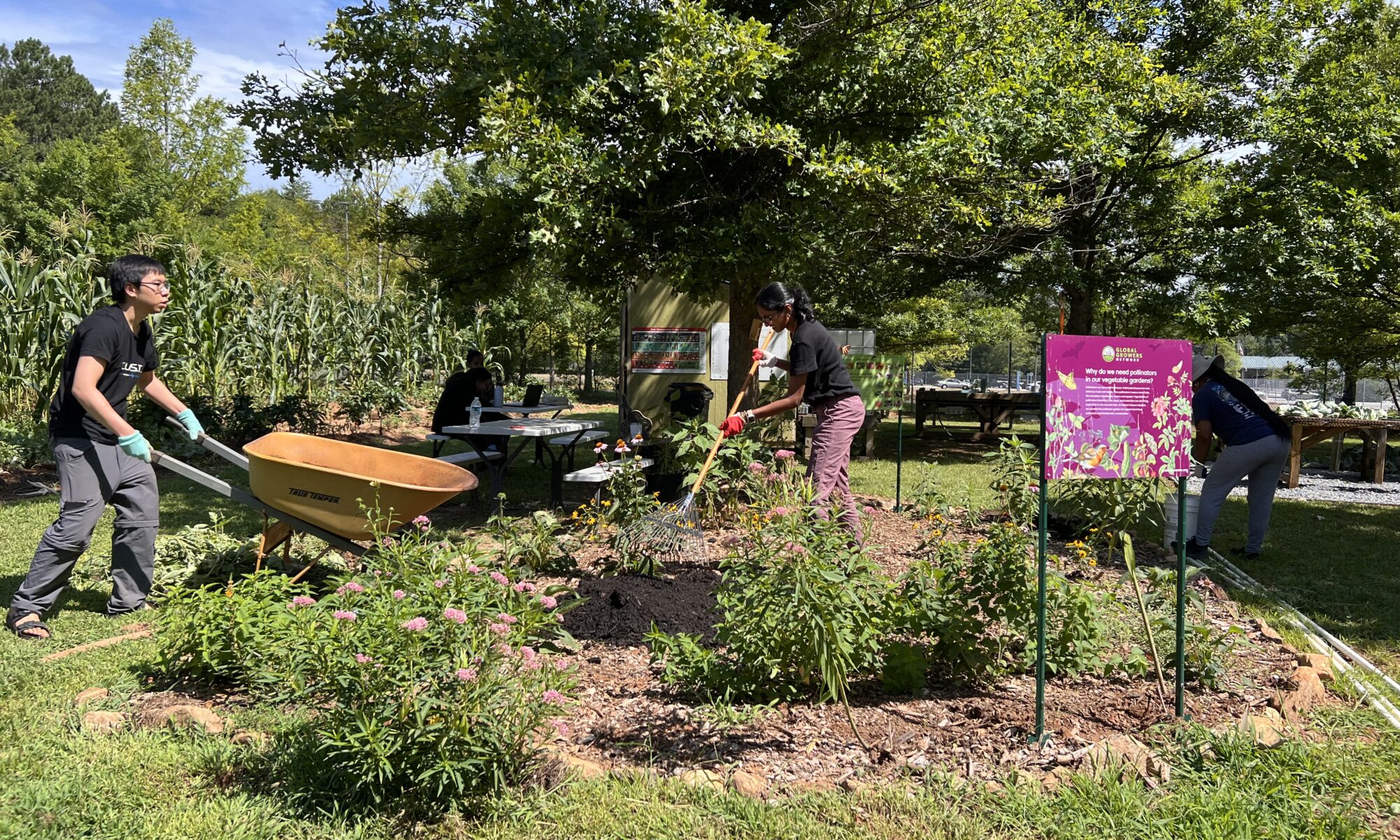
The layout was designed for both function and flow: promoting healthy soil, easy maintenance, and high pollinator traffic.
From the beginning, we focused on native, nectar-rich plants that bloom across the growing season—offering consistent support to bees, butterflies, and beneficial insects. These species were selected not only for their beauty but for their ecological function: improving soil health, increasing water retention, and creating a pollination corridor to support neighboring farm plots.
More than a garden, this project represents a commitment to long-term stewardship of the land. It’s a place where community, ecology, and regenerative agriculture intersect.

🌱 What We Planted

The plant selection focused on native, pollinator-friendly species that bloom across the seasons:
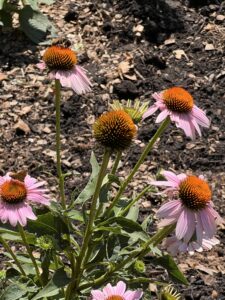
  • Purple coneflower (Echinacea purpurea)
  • Black-eyed Susan (Rudbeckia hirta)
  • Butterfly milkweed (Asclepias tuberosa)
  • Mountain mint (Pycnanthemum spp.)
  • Bee balm (Monarda spp.)
These species feed pollinators, enrich the soil, and support a living landscape.

🌍 The Bigger Picture

This garden isn’t just about flowers—it’s about climate resilience, community collaboration, and investing in the long-term health of our food system. At The Circular Farm, we believe regeneration happens on all levels: from microbes in the soil to networks of growers and neighbors coming together to care for shared land.

📬 Want to collaborate or visit the garden?

Reach out via The Circular Farm contact form or follow us on Instagram @TheCircularFarm.

Reclaiming Connection: A Land Stewardship Project with Global Growers

This summer, I led a Land Stewardship project with Global Growers Network in Decatur, Georgia, focused on uncovering the layered history of the urban land where we now grow food. Our aim was to trace how people, past and present, have connected to this land—and to better understand how that relationship shapes our environmental choices today.

In many urban areas, development has erased visible signs of Indigenous stewardship, Black agrarian traditions, and community-driven land care. Through archival research, storytelling, interviews, and time spent on the land itself, we explored how different communities have engaged with this space over generations.

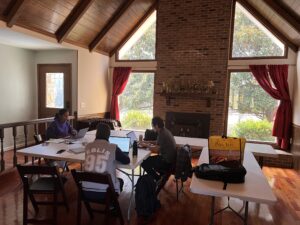
Working alongside a group of dedicated apprentices, I facilitated workshops and field activities to foster curiosity, responsibility, and imagination around land justice. Together, we documented our findings in two creative formats: a short documentary and a zine, both designed to be accessible tools for dialogue, learning, and organizing.

This project helped ground our regenerative farming efforts in something deeper than sustainability—it reminded us that caring for the land means honoring its full story. Stewardship, we learned, is not just about planting seeds, but also about listening: to the soil, to the elders, and to the histories hidden in plain sight.

As we look ahead to future environmental action, we carry this knowledge forward—choosing to grow not only food, but also place-based wisdom, community accountability, and collective care.