Championing Sustainability in Atlanta: A New Chapter Begins
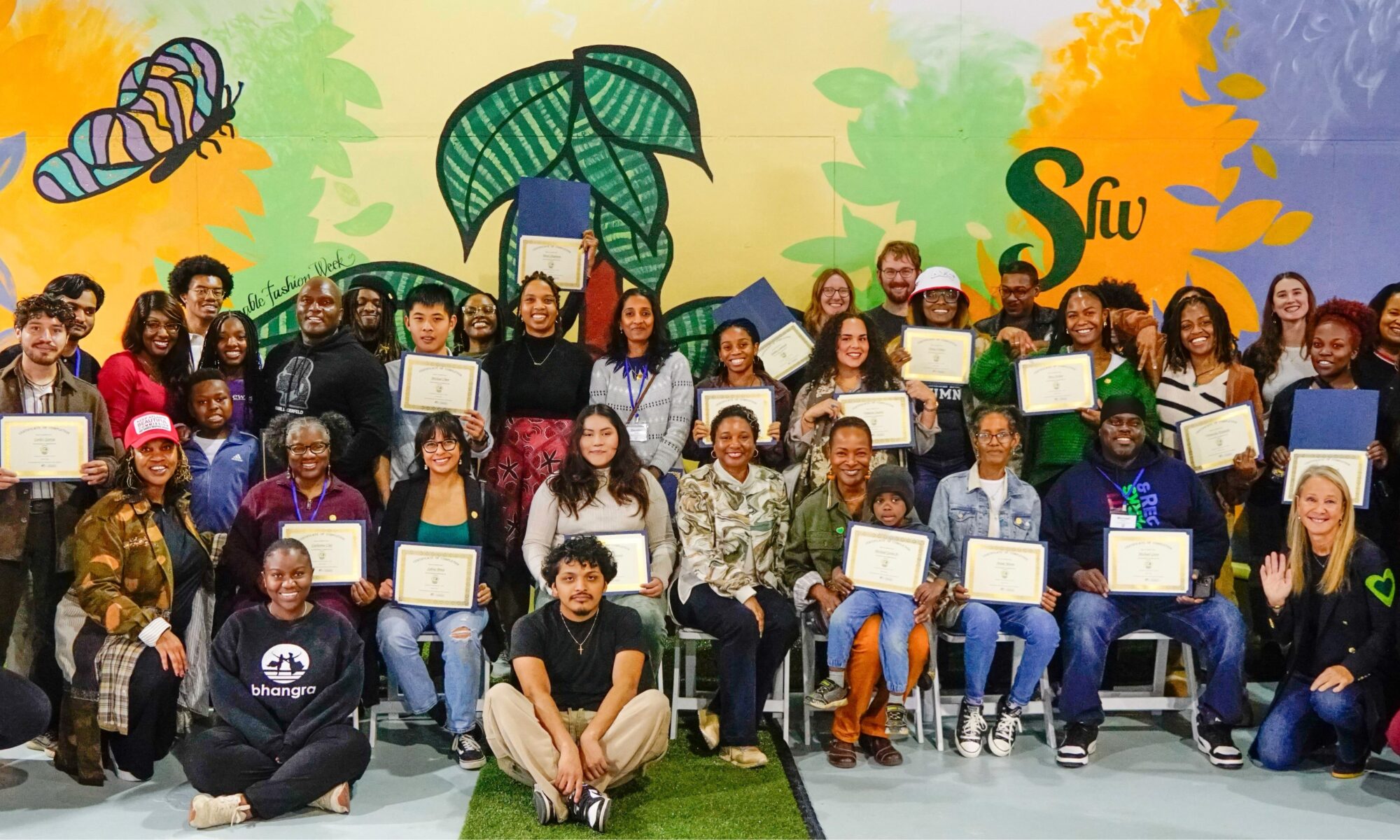
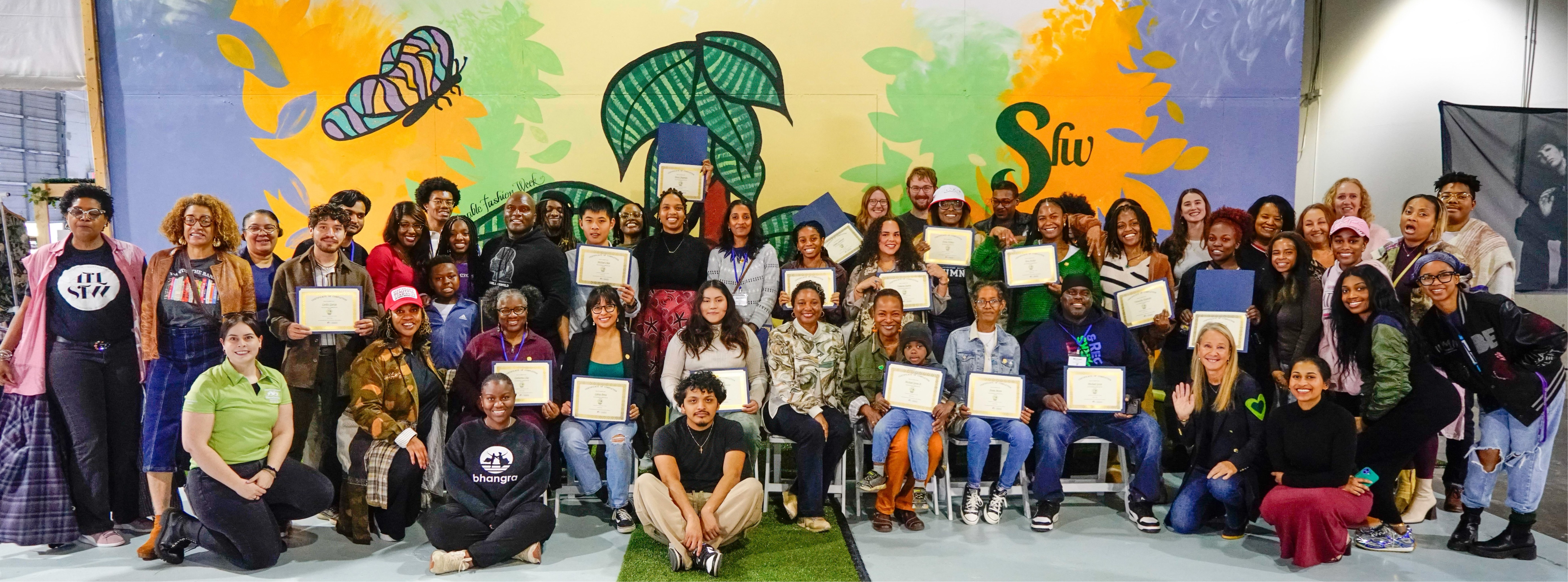 We are excited to share that our team member, Gayathri Ilango, has been selected to join the City of Atlanta’s Sustainability Ambassador Program, led by the Mayor’s Office of Sustainability and Resilience. This program equips community leaders with the tools, training, and networks to support Atlanta’s ambitious sustainability goals and climate action strategies.
The program focuses on key pillars of urban sustainability—clean energy transition, climate justice, waste reduction, water and land stewardship, and equitable access to green infrastructure. Through a series of hands-on workshops and discussions, participants explore the systemic challenges and opportunities in shaping a more inclusive and resilient Atlanta.
Gayathri brings to this role a deep background in regenerative agriculture and land stewardship. While the ambassador program addresses a broad range of sustainability goals, she is especially focused on integrating resilient food systems into the city’s climate strategy. “Atlanta’s future depends on reimagining how we produce and share food,” says Gayathri. “Urban agriculture, circular food economies, and equitable land access must be part of the climate conversation.”
This role reinforces our commitment to community-based, regenerative solutions. Whether it’s improving soil health, supporting local growers, or advocating for green policy at the city level, we’re proud to be part of Atlanta’s growing movement toward sustainability.
Stay tuned as Gayathri continues to represent and co-create efforts that regenerate land, empower communities, and inspire local climate action.