Can Tamil Nadu lead a regenerative agricultural movement?

Tamil Nadu can absolutely build a regenerative agriculture model , and it’s well-positioned to lead such a transition in India due to:
1. Agro-climatic Diversity From the Western Ghats to the Cauvery delta, Tamil Nadu supports multiple cropping systems (rainfed, irrigated, coastal, hill). This diversity allows for region-specific regenerative models: millets in drylands, spices in hills, rice-fish systems in wetlands, etc.

2. Existing Traditional Knowledge Siddha medicine, native seed saving, natural farming (like Subash Palekar’s Zero Budget Farming), and temple-centered agroecology are already part of Tamil culture. Communities still remember multicropping, water-harvesting, and forest-farm systems.

3. Political and Institutional Will Tamil Nadu’s Department of Agriculture, TNAU (Tamil Nadu Agricultural University), and Agricultural Marketing Board are investing in:
  • Climate-resilient agriculture
  • Farmer Producer Organizations (FPOs)
  • Digital extension and market linkages

4. Youth and Diaspora Engagement There is a growing movement among the Tamil diaspora and rural youth returning to farming—ideal for championing regenerative models with tech and global market access.
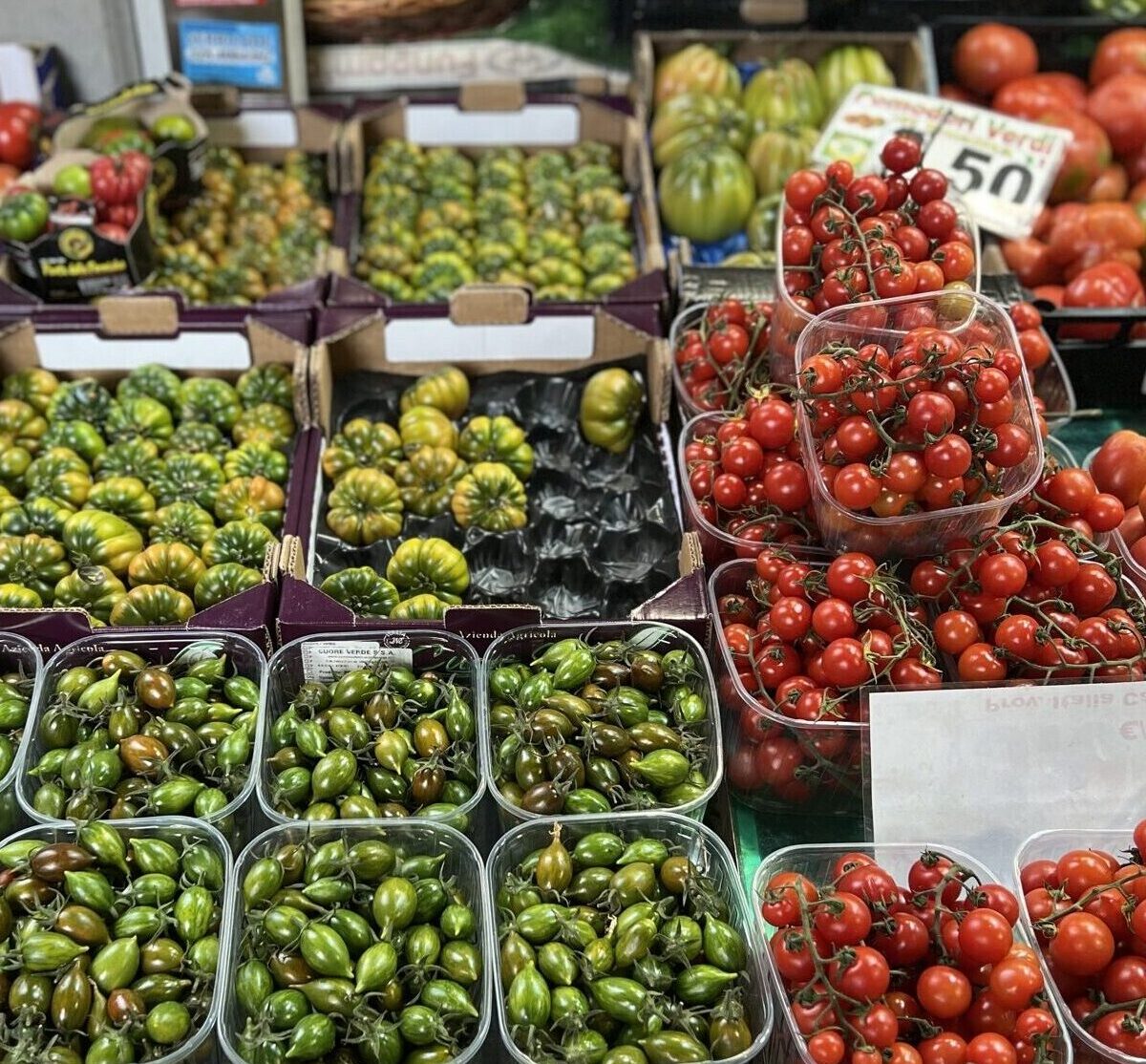
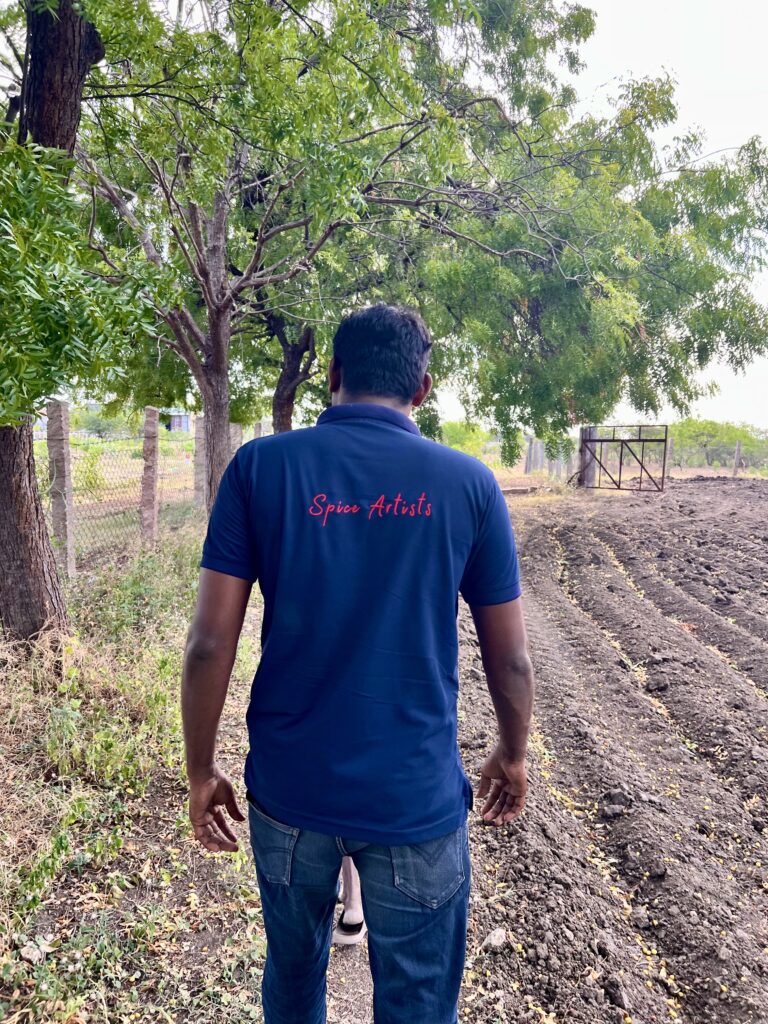
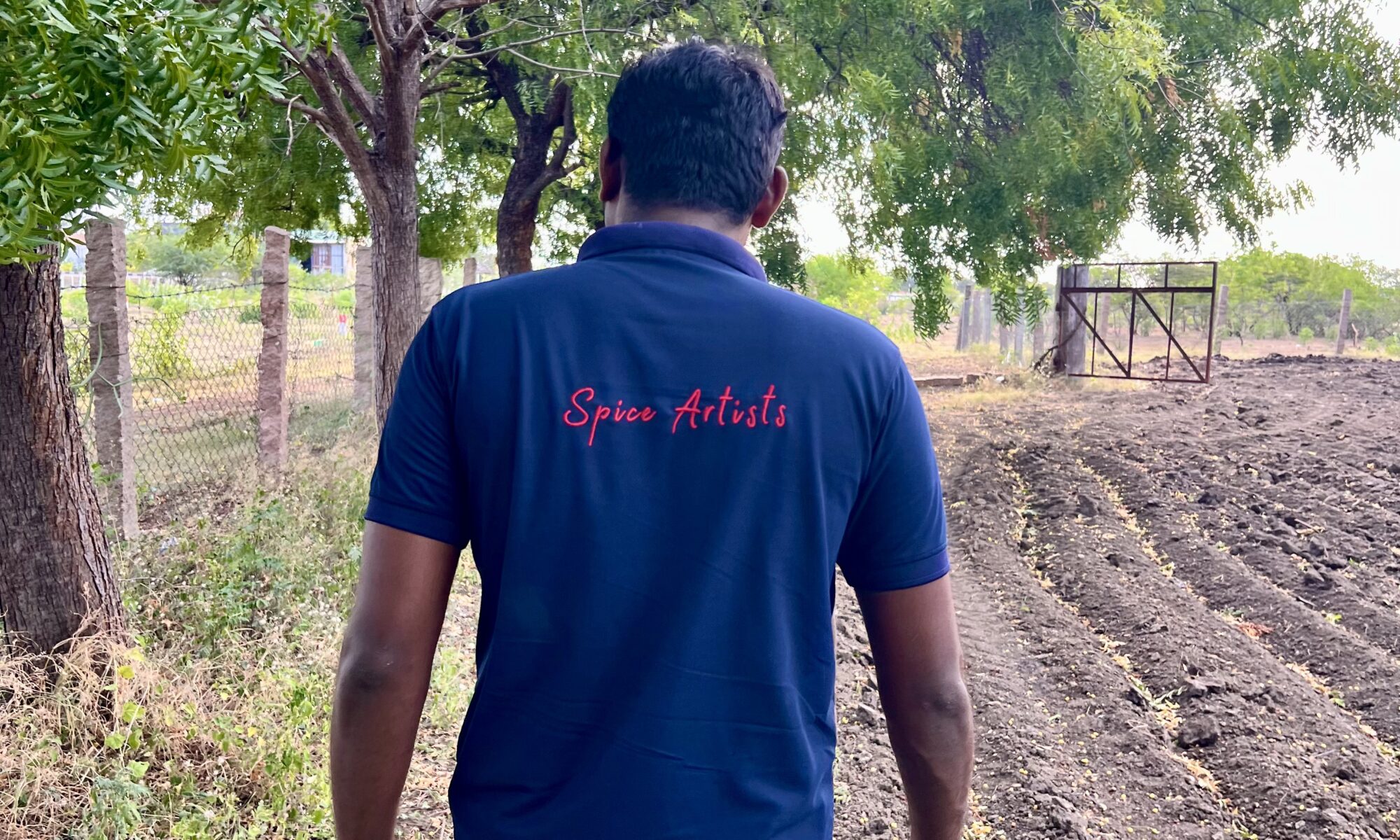
We are at the pilot stage of initiating the biggest regenerative agricultural movement in Tamil Nadu with support from spice growers in southern India. India is one of the leading producers of spice in the world and our export market is growing more. Tamil Nadu is one of India’s key spice-growing states—producing chili, turmeric, coriander, fennel, pepper, and tamarind. However, rising input costs, declining soil fertility, erratic rainfall, and market volatility are pushing smallholder farmers into distress. Spices are high-value, low-volume crops—perfect for climate-smart, regenerative farming models that integrate soil health, biodiversity, and farmer profitability. With growing international demand for ethical, traceable, and climate-positive spices, Tamil Nadu is poised to lead the regenerative spice revolution. Stay tuned for more!

Planting for the Future: A Pollinator Garden in Decatur

With Global Growers Network

By The Circular Farm
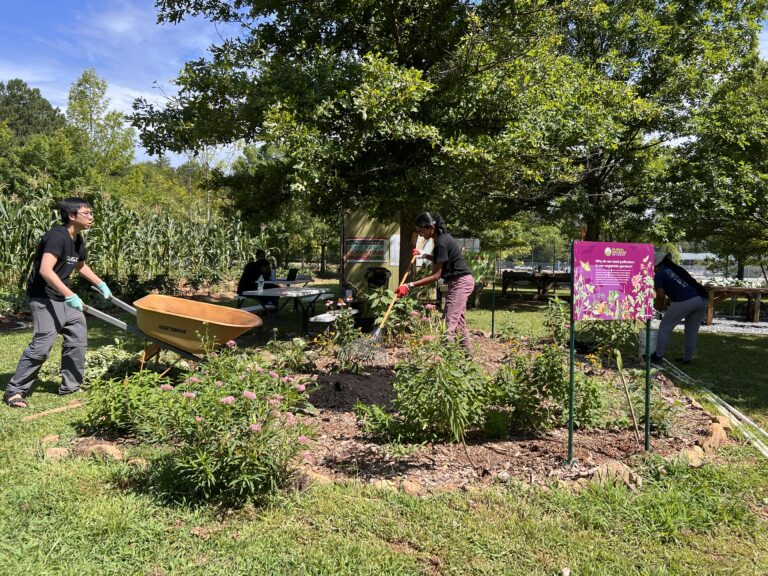
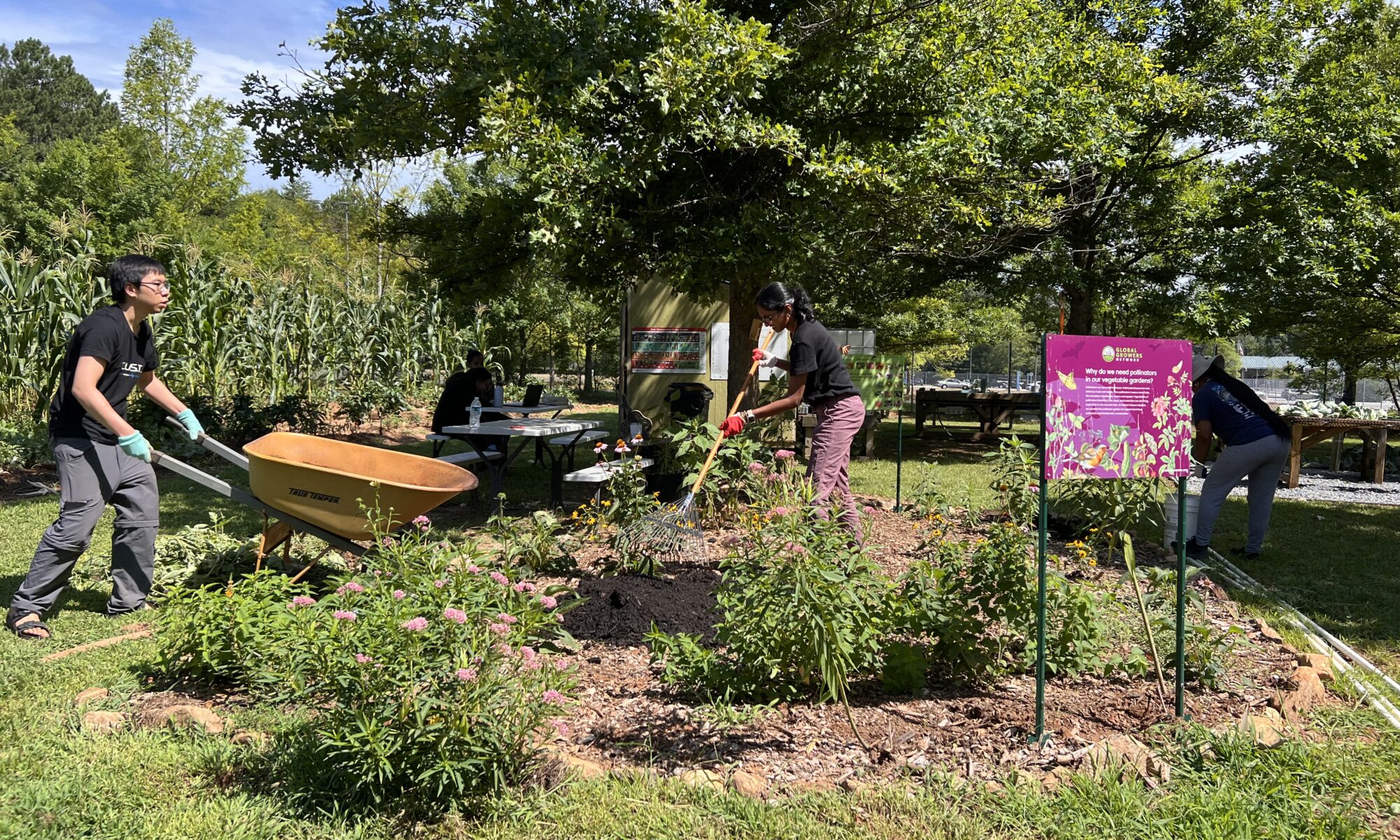
In the spring of 2024, I had the opportunity to partner with Global Growers Network in Decatur, Georgia, on a land conservation project close to my heart: building a pollinator garden that regenerates the soil, supports biodiversity, and strengthens the resilience of local food systems.

🐝 Why a Pollinator Garden?

Pollinators—bees, butterflies, beetles—are vital to healthy ecosystems and abundant harvests. With declining pollinator populations due to habitat loss, pesticide use, and climate disruption, creating dedicated spaces for these species is more important than ever. At the Global Growers site, surrounded by community farm plots tended by refugee and immigrant growers, the pollinator garden serves as a keystone element of regenerative land stewardship.

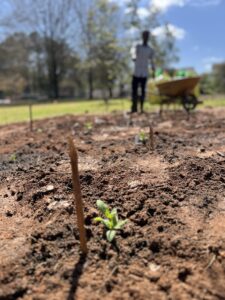
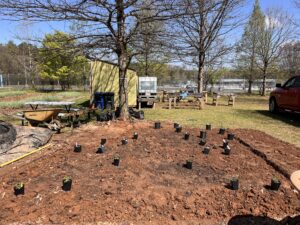
📸 Photo Highlights:

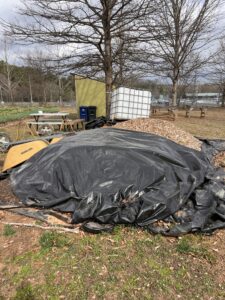
A Garden with Purpose

The layout was designed for both function and flow: promoting healthy soil, easy maintenance, and high pollinator traffic.
From the beginning, we focused on native, nectar-rich plants that bloom across the growing season—offering consistent support to bees, butterflies, and beneficial insects. These species were selected not only for their beauty but for their ecological function: improving soil health, increasing water retention, and creating a pollination corridor to support neighboring farm plots.
More than a garden, this project represents a commitment to long-term stewardship of the land. It’s a place where community, ecology, and regenerative agriculture intersect.

🌱 What We Planted

The plant selection focused on native, pollinator-friendly species that bloom across the seasons:
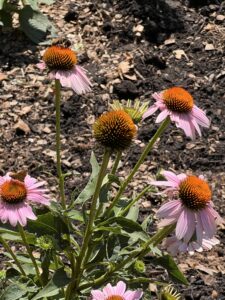
  • Purple coneflower (Echinacea purpurea)
  • Black-eyed Susan (Rudbeckia hirta)
  • Butterfly milkweed (Asclepias tuberosa)
  • Mountain mint (Pycnanthemum spp.)
  • Bee balm (Monarda spp.)
These species feed pollinators, enrich the soil, and support a living landscape.

🌍 The Bigger Picture

This garden isn’t just about flowers—it’s about climate resilience, community collaboration, and investing in the long-term health of our food system. At The Circular Farm, we believe regeneration happens on all levels: from microbes in the soil to networks of growers and neighbors coming together to care for shared land.

📬 Want to collaborate or visit the garden?

Reach out via The Circular Farm contact form or follow us on Instagram @TheCircularFarm.

Reclaiming Connection: A Land Stewardship Project with Global Growers

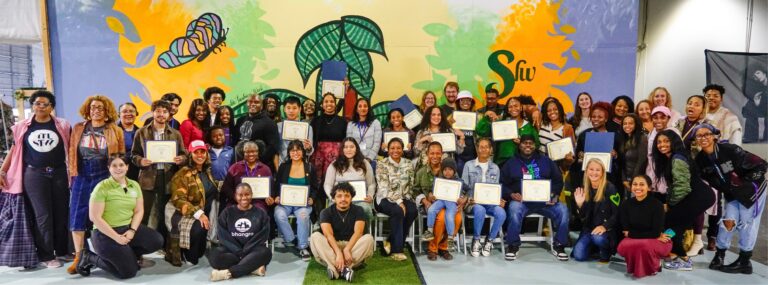
This summer, I led a Land Stewardship project with Global Growers Network in Decatur, Georgia, focused on uncovering the layered history of the urban land where we now grow food. Our aim was to trace how people, past and present, have connected to this land—and to better understand how that relationship shapes our environmental choices today.


In many urban areas, development has erased visible signs of Indigenous stewardship, Black agrarian traditions, and community-driven land care. Through archival research, storytelling, interviews, and time spent on the land itself, we explored how different communities have engaged with this space over generations.

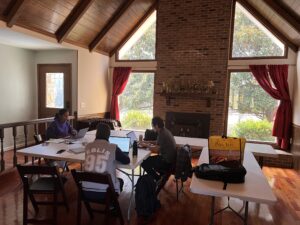
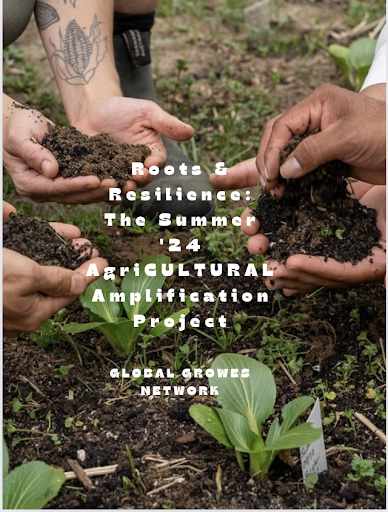
Working alongside a group of dedicated apprentices, I facilitated workshops and field activities to foster curiosity, responsibility, and imagination around land justice. Together, we documented our findings in two creative formats: a short documentary and a zine, both designed to be accessible tools for dialogue, learning, and organizing.

This project helped ground our regenerative farming efforts in something deeper than sustainability—it reminded us that caring for the land means honoring its full story. Stewardship, we learned, is not just about planting seeds, but also about listening: to the soil, to the elders, and to the histories hidden in plain sight.

As we look ahead to future environmental action, we carry this knowledge forward—choosing to grow not only food, but also place-based wisdom, community accountability, and collective care.

Celebrated National Farm to School Month with Woodward North

Food sustainability is about a behavior change!
National Farm to School Month started off well for Woodward North in Johns Creek with a reworking of the school garden with edible plants. With the support of the school management and teachers, WN initiated the student-led community garden with an innovative approach to managing small gardens with available resources.
The idea of a school garden is to provide healthy, nutritious meals to children and lead them as change agents for the future. Knowing how to grow your food is a life skill, and with changing climate patterns, we need more leaders to address the challenges of growing food. WN has embarked on this journey to bring sustainability to the Johns Creek campus with food and resource sustainability models during this farm-to-school month.
Along with this project, the school also has a recycling program and plans to build a curriculum focusing on goals of sustainable development. Climate science is a process to create mitigation actions for the challenges that the world is facing. We need many more scientists, professionals, and climate warriors to address these challenges. WN has started this journey with the support of parents and children.
There was so much excitement amongst the kids from kindergarten to 6th grade to engage in various activities throughout October 21-25th as the school celebrated farm-to-school week. At this point, the school would like to thank the sponsors and parents who supported from planning to execution of the project. A special mention of the support from Soil3 and Seeds for the People organization for soil and seeds for this project.
The school likes to grow this initiative and nurture young minds to bring more innovation with their outdoor community garden activities. “I don’t like spinach and why do you want to grow that?” said one of the kindergartners. After they sowed the seeds, he was curious to know when the spinach would grow so he could eat the meal that would be prepared by the school kitchen. That is the impact when they know what is served to them during every meal. There are plans also to collaborate with other community groups and student organizations to bring new projects for sustainability on the campus.

Read more at https://www.woodward.edu/beyond-the-classroom/newsroom?fbclid=IwZXh0bgNhZW0CMTEAAR2AznuGmu6Cx-JZOYGZG74Zc9bREER8hWO2X41X83iPHGCNSfyzIgfxdp8_aem_QgaZVeb-I3_T0FE1C5Cfjw

How Local Food Can Contribute to a Sustainable Food System?

Role of Participatory Engagement in Sustainable Local Food Systems

Sustainable food systems are not just about farming and food production, it is also about engaging the whole network of actors involved in providing food to the people. Food systems management can vary substantially from place to place and over time, depending on location specific conditions that includes land stewardship, policy, people’s participation and available resources for production of food and a well-serving markets. Especially in the local food systems this network is small and also easily manageable than huge comprehensive global food systems where the control over social, economical and environmental outcome of production of food could be challenging.  

USDA’s National Agricultural Library defines food systems as “everything from farm to table.”  USDA describes local and regional food systems as “place-specific clusters of agricultural producers of all kinds—farmers, ranchers, fishers—along with consumers and institutions engaged in producing, processing, distributing, and selling foods.”  


A definition used by the U.S. in its Global Food Security Strategy is “Agriculture and food systems are intact or whole unit made up of interrelated components of people, behaviors, relationships, and material goods that interact in the production, processing, packaging, transporting, trade, marketing, consumption, and use of food, feed, and fiber through aquaculture, farming, wild fisheries, forestry, and pastoralism. The food and agriculture system operates within and is influenced by social, political, economic, and environmental contexts.” How do we manage such complex food systems network? Explore working with us!

What is our role in strengthening local food system? 

Food systems encompass the entire range of actors and their contribution to activities involved in the production, aggregation, processing, distribution, consumption and disposal of food products. It also includes sub-systems like farming system, waste management system, input supply system, and interacts with other key elements like trade, finance, policy.

The Circular Farm  works in the realm of these systems and subsystems through our strong collaboration- partnerships model. We identify the partners required during different phases of project implementation and works on building strong partnership models globally and ensure that everyone gets equal participation benefits in building a community project. Through our participatory method, our partners engage constantly during their phase of project implementation with the local communities to build commitment to the stakeholders and faith among the communities. 

Some of our partnership strengthening project is tech enabled sustainability certification for Paprika Oleo’s, our Virudhunagar based product company working with Tinkerblox Inc in setting up farm monitoring technology that seamlessly connect farms and factories. This effort has amplified the vision of the food production company in creating food brands that respect nature and human health. To such heroes, we create an ecosystem supporting them in continuing their mission. This means that we ensure –

  • – It is profitable throughout (economic sustainability);
  • – It has broad-based benefits for society (social sustainability); and
  • – It has a positive or neutral impact on the natural environment (environmental sustainability).”

Author

Gayathri Ilango

CEO - Founder